From overthinking to grounded living
A grounded space for thoughtful adults who feel stuck in their heads. Providing individual telethealth therapy throughout MA for anxiety, stress, relationship challenges, and life transitions.

Frequently Asked Questions
-
I provide individual telehealth therapy for adults throughout Massachusetts. Many of the people I work with are navigating stress, anxiety, relationship challenges, life transitions, or feeling stuck in patterns that no longer serve them.
-
Getting started is simple. Reach out through the contact form or email me directly to schedule a consultation call where we’ll discuss your needs for therapy and determine if we’re a good fit.
-
Sessions take place on a secure Telehealth platform and typically occur weekly, bi-weekly, or monthly depending on your needs for therapy and scheduling.
Sessions are collaborative and grounded in curiosity. I tend to be active in the conversation—offering reflections, observations, and gentle feedback as we go, rather than sitting back in silence.
People often use therapy with me to slow down, make sense of what they’re experiencing in real time, and notice patterns that may not be immediately obvious on their own.
While the tone of sessions may be conversational, there is equal energy given to clearly establishing your goals for therapy, offering actionable takeaways, and creating a sense of being engaged in your therapy work.
-
Yes, I accept BCBS, Tufts, Harvard Pilgrim, and Optum Behavioral.
-
Co-pays and out-of-pocket costs vary depending on the insurance plan. If you have questions or concerns, you can contact your insurance carrier to find out more about your behavioral healthcare coverage.
If you opt out of having insurance and self-pay, the rate is $150 per session.
-
The practice policy is to charge $99 if there is less than 24 hours notice for a cancellation.
-
Having insight doesn’t automatically soothe our unwanted feelings because insight is a cognitive process while soothing is a nervous system process. Insight helps us make sense of our experience and soothing helps us settle our system.
The work is to hold both the cognitive and nervous system processes at once.
-
There are a few things you can do to get everything you can out of therapy:
Take notes. So much is discussed in any given session that it can help to store what’s important by taking notes right after a session or making note of something that happens that relates to therapy. Even jotting down a few words can help to keep better track of things.
Do the work between sessions. Try the grounding technique. Set the new boundary discussed in session. Make a decision without overthinking it. You can bring these experiences to your next session and keep building upon these skills and mindset shifts.
Make sure your therapist is the right match for you relationally. Therapy is meant to feel safe, beneficial, and appropriately challenging. Studies show that the therapeutic alliance between a client and their therapist has more impact on outcomes than the therapist’s approach or technique (1).
1.Flückiger C, Del Re AC, Wampold BE, Horvath AO. The alliance in adult psychotherapy: A meta-analytic synthesis. Psychotherapy (Chic). 2018 Dec;55(4):316-340. doi: 10.1037/pst0000172. Epub 2018 May 24. PMID: 29792475.

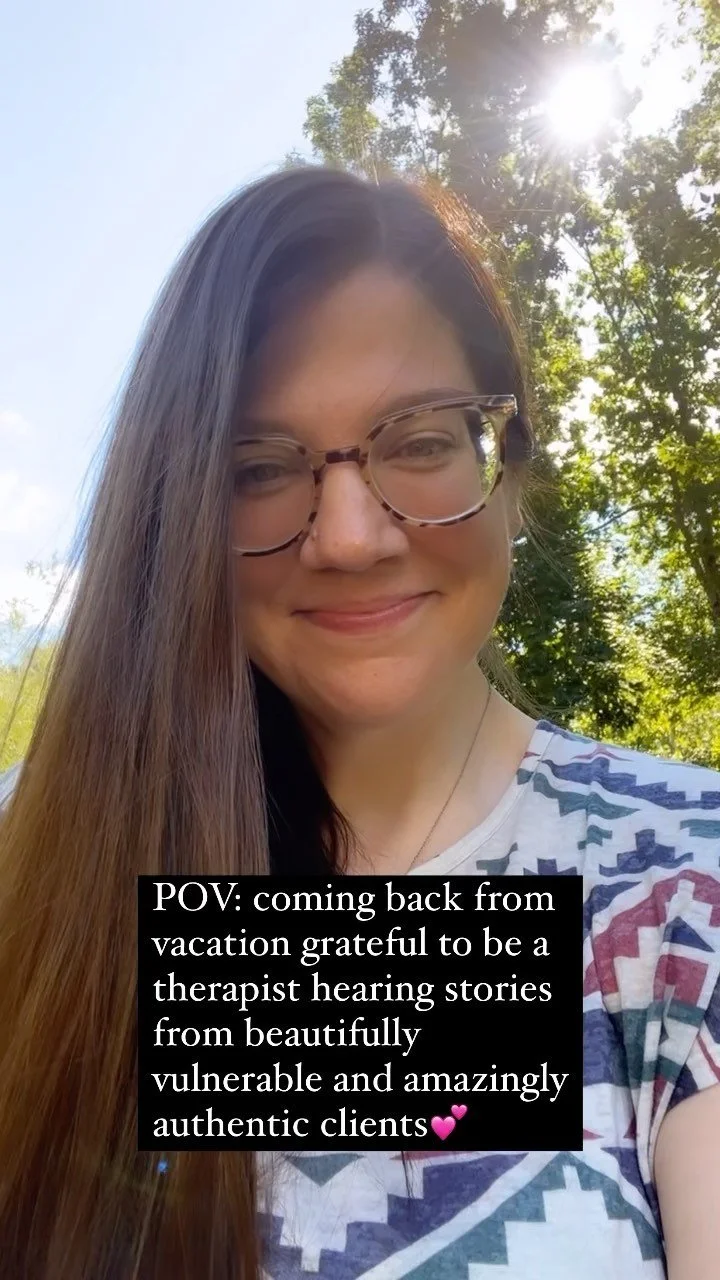
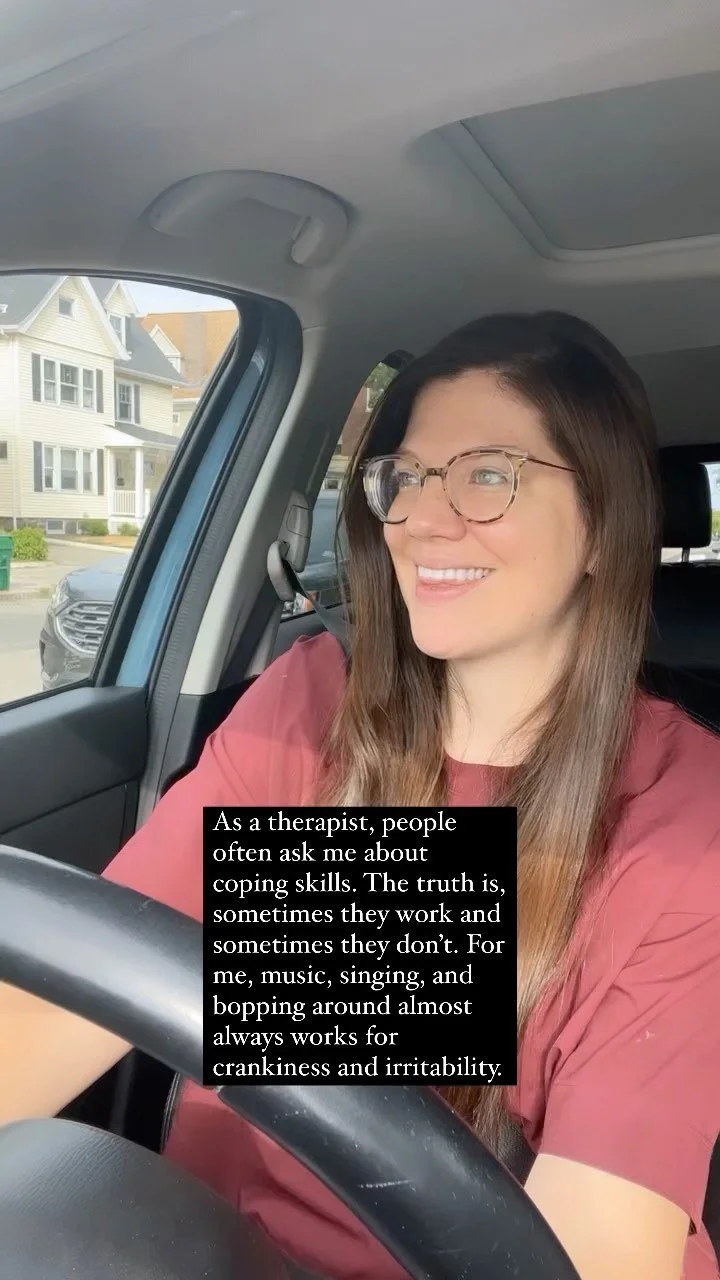
Emily’s Thoughts on Being a Therapist
People often ask if being a therapist is hard. While there are difficult moments, it’s also an incredible privilege. Every day I get to witness people’s resilience, courage, and capacity to grow.
Why Insight Doesn’t Lead to Soothing
Insight happens as a result of a cognitive process, soothing happens in the body through the nervous system. You can know why you’re anxious and still have a body that feels unsafe, activated, or on alert.